
Welcome to WordPress. This is your first post. Edit or delete it, then start writing!
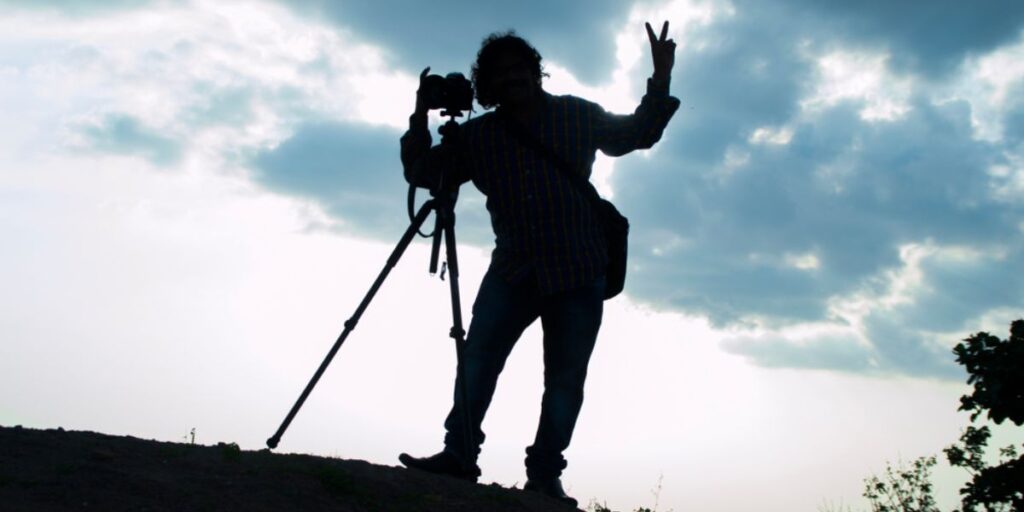
In a world filled with visual clutter and overstimulation, minimalist photography stands out by embracing simplicity. It invites the viewer to pause, breathe, and connect deeply with a subject that is often solitary, subtle, or striking in its quietness. This unique art form strips away the unnecessary and focuses on what truly matters in the frame — allowing emotion, composition, and story to shine without distraction.
Whether you’re a beginner or an experienced photographer seeking creative clarity, understanding minimalist photography can enhance your ability to express more with less.
Minimalist photography is a style where the emphasis is placed on simplicity and the use of minimal elements within the frame. It typically involves:
It’s not just about removing elements — it’s about choosing what to keep. The goal is to deliver a powerful message or mood through a seemingly simple image. In many ways, it aligns with the broader principles of minimalism: intentionality, clarity, and focus.
Negative space, also called white space, is the empty area surrounding the main subject. Instead of filling every part of the frame, minimalists use this space to draw the viewer’s attention precisely where they want it.
For example, imagine a lone tree in a foggy field or a single bird flying across a vast blue sky. These compositions use space to enhance mood and emphasize the subject’s isolation, peace, or power.
Minimalist photography avoids complicated backgrounds, props, or multiple subjects. Clean lines, symmetry, and balance help the image feel organized and calm. The “Rule of Thirds” or centered composition can be very effective when used purposefully.
The minimalist style is often built around one strong subject: a rock on the sand, a leaf floating on water, or a lone chair in a hallway. This focus allows viewers to linger, reflect, and interpret.
Using only one or two colors in a photo helps reduce distraction and intensify the visual impact. Monochrome or muted tones are often used, but sometimes bold color contrast (like a red umbrella on white snow) can be just as striking.
In a sea of busy imagery on social media and advertising, minimalist photography creates a moment of silence.
Look for open fields, empty walls, clean architectural lines, or natural backdrops like sky, water, or sand. These settings provide perfect canvases for minimalist compositions.
Zoom in or move closer to isolate your subject. Eliminate clutter around the edges and focus only on the essentials.
Soft natural light, harsh shadows, and contrast between light and dark can help emphasize form and mood: crucial in minimalist imagery.
Minimalism often means waiting for the right moment: when the background clears, the light hits perfectly, or the subject aligns with the composition.
Instead of snapping dozens of shots, approach your scene with intention. Ask yourself: What am I trying to say with this image? Then compose accordingly.
Remember, minimalism in editing is just as important. Avoid over-processing. The goal is clarity, not complication.
Think snowy plains, deserts, or foggy mornings with one tree, rock, or figure. The focus is on vastness, serenity, and the relationship between subject and space.
Use clean backgrounds and subtle expressions. The viewer is drawn to the subject’s eyes, posture, or gesture without distraction from the environment.
Architecture, walls, geometric shapes, and shadows all lend themselves well. Capture solitude in the city with a single person in a vast structure or a lone window on a monochrome wall.
Removing color can elevate a photo’s form, texture, and emotion. It’s a timeless way to enhance a minimalist feel.
Famous Minimalist Photographers for Inspiration
Follow these artists to understand how less can indeed be more.
Minimalist photography is more than just a visual style: it’s a philosophy of mindfulness and clarity. It reminds us to slow down, observe the world with fresh eyes, and appreciate the beauty in small, quiet moments. By focusing on what truly matters in a frame, you’re also learning to focus on what matters in your creative process — and perhaps even in life.
So, next time you pick up your camera or smartphone, challenge yourself to capture one thing that tells a story and let everything else fade into silence.
Plot No. 22 and 23, 2nd Floor, 2nd Main Road, V.G.P. Selva Nagar, Velachery, Chennai – 600042. TN, IN

Plot No. 22 and 23, 2nd Floor, 2nd Main Road, V.G.P. Selva Nagar, Velachery, Chennai – 600042. TN, IN